
Engineering at NTUA, finance at Deree.

Five years of electrical and computer engineering on the AI track at NTUA. From 2024 I also took a double minor in finance at Deree, on scholarship.

  1. Evangeliki Scholi SmyrnisEvangeliki Scholi Smyrnis
  2. NTUA · MEngNTUA9.2 / 10Thesis
  3. Deree · Double minorDeree4.0 / 4.0
18,960 / 20,000 Panhellenic exams · top 1%

18,960 / 20,000 Panhellenic exams · top 1%

MEng in Electrical & Computer Engineering5-year integrated Master’s · AI & Machine Learning

A lot of mathematics, probability and statistics above all, with electronics, computer systems and software built on it. On the AI track: machine learning, neural networks, image and video analysis, and forecasting.

  • 9.2 / 10degree GPA · Top 5% of cohort
  • 18,960 / 20,000Panhellenic exams · Top 1% of the sciences track
Machine learning that designed new antibacterial peptidesMy thesis, Sep 2025 – Oct 2026, with Houston Methodist Research Institute. 13 of the 15 made in a lab worked.Read about the research

Double Minor in Finance, and in Accounting & Financial Management

Finance and how markets work, accounting, company valuation and financial modelling, taken at the same time as engineering at NTUA.

  • 4.0 / 4.0degree GPA

SNF & Merit Scholarships

Alongside my studies.

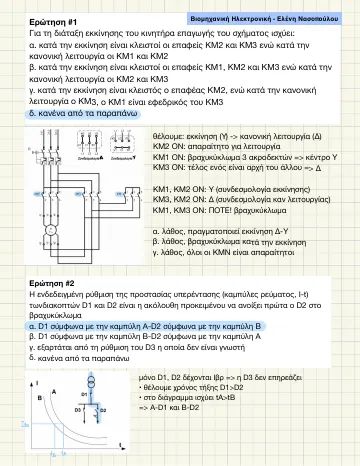
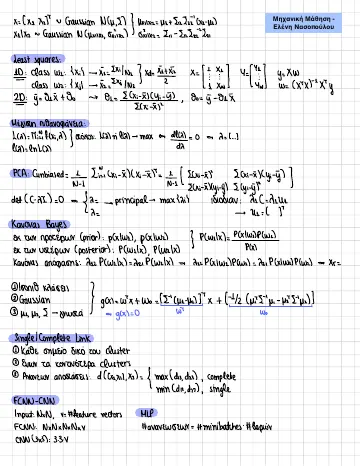
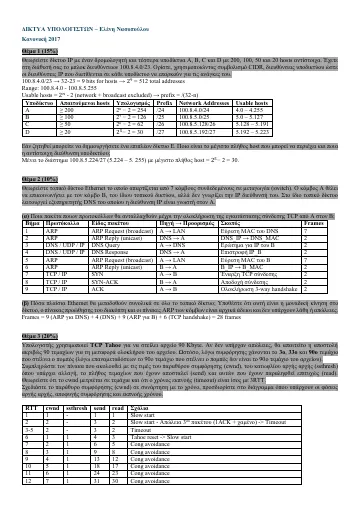
  1. 12,000+

    Open-Access Course Notes

    Downloads of the notes and solved exams I posted for 13 NTUA courses.

    2024–26
  2. VP

    Accounting & Finance Society, Deree

    Vice President, after Public Relations. Events and guest speakers.

    2025–26

Hackathons.

Dyania Health Hackathon 2026

Team of four · 3 days

Predicting when a replacement heart valve fails.

A team of one clinician and three engineers proposed a study to predict when a replacement aortic valve will fail, so the patients most at risk get scanned sooner.

The hospital data had only 10 failures, too few to learn from. My part was the synthetic patient cohort the models trained on, built from published trials, the scripts behind the results, parts of the study protocol, and the presentation.

  1. 517fewer echocardiograms per 1,000 patient-years than scanning everyone yearly, on synthetic data
  2. 6,000synthetic patients per cohort, drawn five times
  3. 3,580patients the study protocol needs

GitHub

Built for my courses.

More on GitHub